
São Carlos: Brazil's Capital of Technology — Universities, ParqTec, Embrapa & Innovation Ecosystem
Why São Carlos concentrates more PhDs per capita than any city in Brazil, hosting USP and UFSCar, ParqTec, Embrapa Instrumentation & Cattle Southeast, Onovolab, and Startup Day. The definitive guide to Latin America's deeptech capital.
Why São Carlos Is Indisputably Brazil's Capital of Technology
There are Brazilian cities with larger populations, higher gross domestic product, and more consumer unicorn startups. However, when evaluating scientific density per square meter, no city in South America rivals São Carlos. Located in interior São Paulo state with approximately 250,000 residents, this city hosts two campuses of USP, UFSCar, two national Embrapa research institutes, Brazil's first technology park, federal institutes, technical schools, business incubators, accelerators, and over 300 active technology-based enterprises.
The statistical ratio is extraordinary: 1 PhD holder for every 100 residents — with municipal and USP research data confirming over 2,500 PhDs living and working in the city. This concentration is nearly 10 times the Brazilian national average, positioning São Carlos ahead of major tech hubs like Campinas, Florianópolis, and state capitals. It is this critical mass of applied research that anchors its official status as Brazil's Capital of Technology.
This guide represents a complete blueprint of the ecosystem. We examine, step by step, all key stakeholders shaping São Carlos: research universities, federal research centers, technology parks, business incubators, funding bodies, corporate anchors, and technical high schools nurturing talent early. Finally, we invite you to explore the hub in person — because this ecosystem is best understood when experienced directly.

USP São Carlos: World-Class Engineering & Computer Science
The University of São Paulo established its São Carlos presence in 1953 with the founding of the São Carlos School of Engineering (EESC), widely ranked among the top engineering faculties in Latin America. According to official USP data, EESC offers 10 undergraduate degree programs, 490 freshman seats annually, and maintains over 3,000 enrolled students — having graduated more than 10,000 engineers in its history. At the graduate level, it runs 11 accredited master's and doctoral programs, all tuition-free and top-ranked by CAPES.
Spanning two local campuses (Campus 1: EESC, ICMC, IFSC, IQSC; Campus 2: IAU), USP São Carlos brings together thousands of undergraduate and graduate students alongside hundreds of research professors — forming a vital core of USP's 97,000 students and 5,000 faculty members across 8 state campuses.
Prominent degree programs fueling regional tech talent include: Computer Engineering, Computer Science, Information Systems, Mechatronics Engineering, Electrical Engineering (Electronics), Production Engineering, Materials & Manufacturing Engineering, Aeronautical Engineering, Environmental Engineering, Civil Engineering, Mechanical Engineering, and Computational Physics.
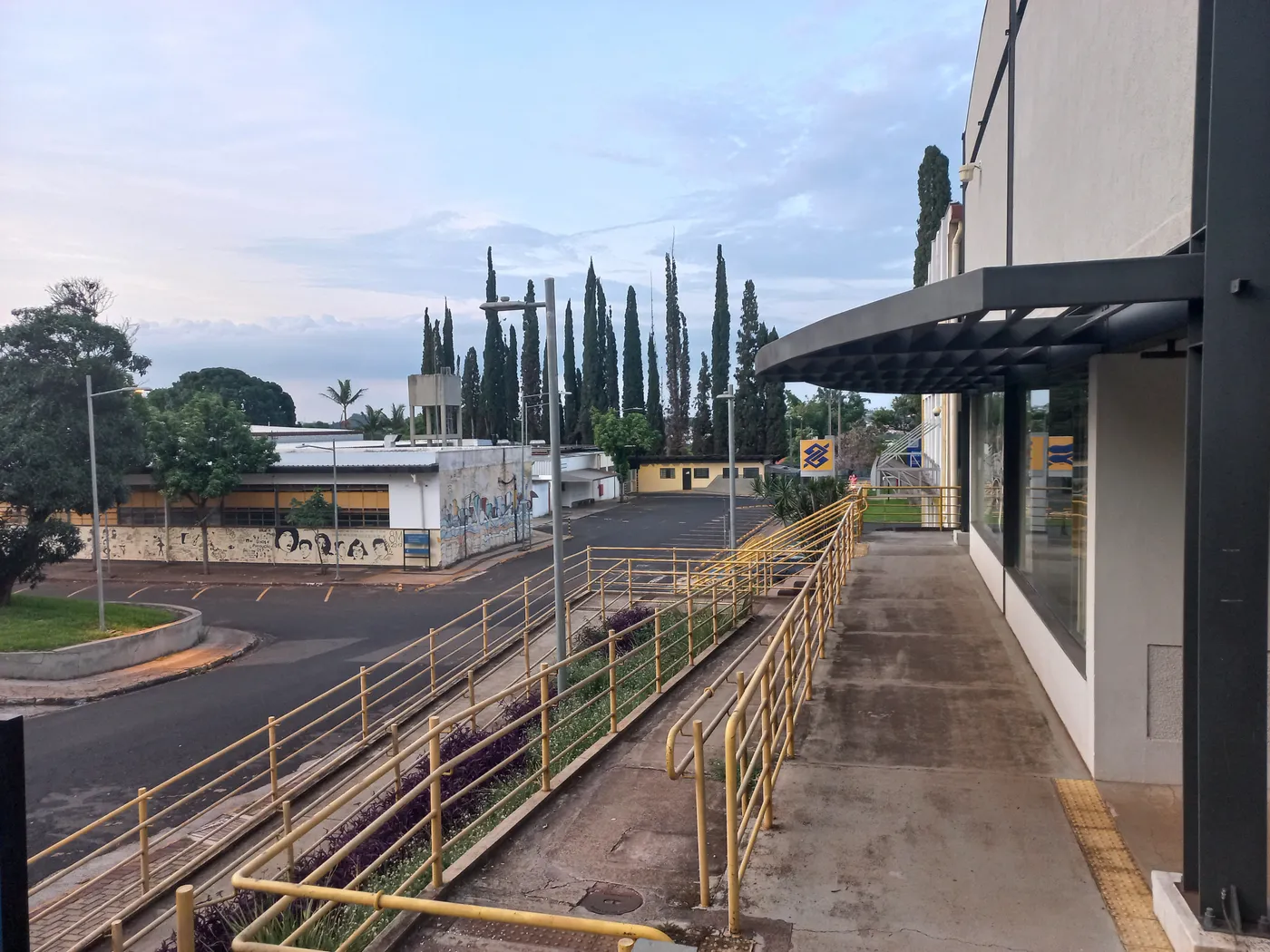
ICMC — Mathematical & Computer Sciences Institute
IFSC — Physics Institute of São Carlos
IQSC — Chemistry Institute of São Carlos
EESC — School of Engineering of São Carlos
UFSCar: Premier Federal University Combining Engineering, Bio & Tech
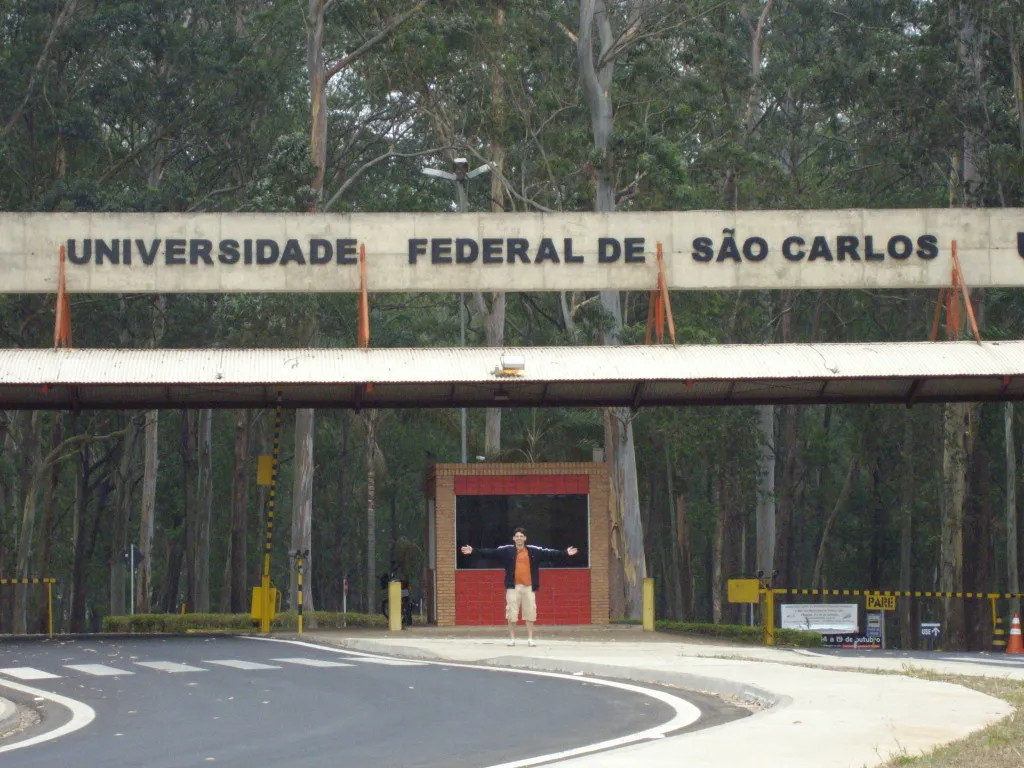
Established in 1968 with inaugural classes in 1970, the Federal University of São Carlos (UFSCar) was the first federal university built in interior São Paulo state. The main São Carlos campus spans 645 hectares with 196,000 m² of constructed facility space (official UFSCar data) — operating as an academic city within the city, alongside secondary campuses in Araras, Sorocaba, and Lagoa do Sino.
On the technology front, UFSCar offers B.Sc. in Computer Science, Computer Engineering, Information Systems, Electrical Engineering, Production Engineering, Mechanical Engineering, Materials Engineering (ranked #1 in Brazil), Biotechnology, Statistics, and Physics — serving thousands of students across dozens of accredited graduate programs.
UFSCar houses NUMA (Advanced Manufacturing Center), the DC-UFSCar Computer Science Department renowned for computer vision and AI research, and top-tier industrial engineering research labs.
ParqTec: Brazil's Pioneer Technology Park (Est. 1984)
The São Carlos High Technology Park Foundation (ParqTec) was established on December 17, 1984, opening Latin America's first business incubator in January 1985. Over four decades of continuous operation, ParqTec has graduated around 300 deeptech startups and technology enterprises (ParqTec Foundation data), serving as the blueprint for science parks across South America. Today it operates multiple specialized facilities covering every growth stage.
CINET — Technology Business Incubator
CEAT — High Tech Business Center
Softex Center São Carlos
Innovation Habitat
Embrapa Research Centers: Two National Institutes Headquartered in São Carlos
Few cities worldwide host two national research centers of Embrapa (Brazilian Agricultural Research Corporation). São Carlos is one of them. Each center addresses complementary pillars of agricultural science — producing patents, software, and deeptech spin-offs.
This concentration establishes São Carlos as South America's premier hub for agritech innovation and scientific instrumentation.
Embrapa Instrumentation
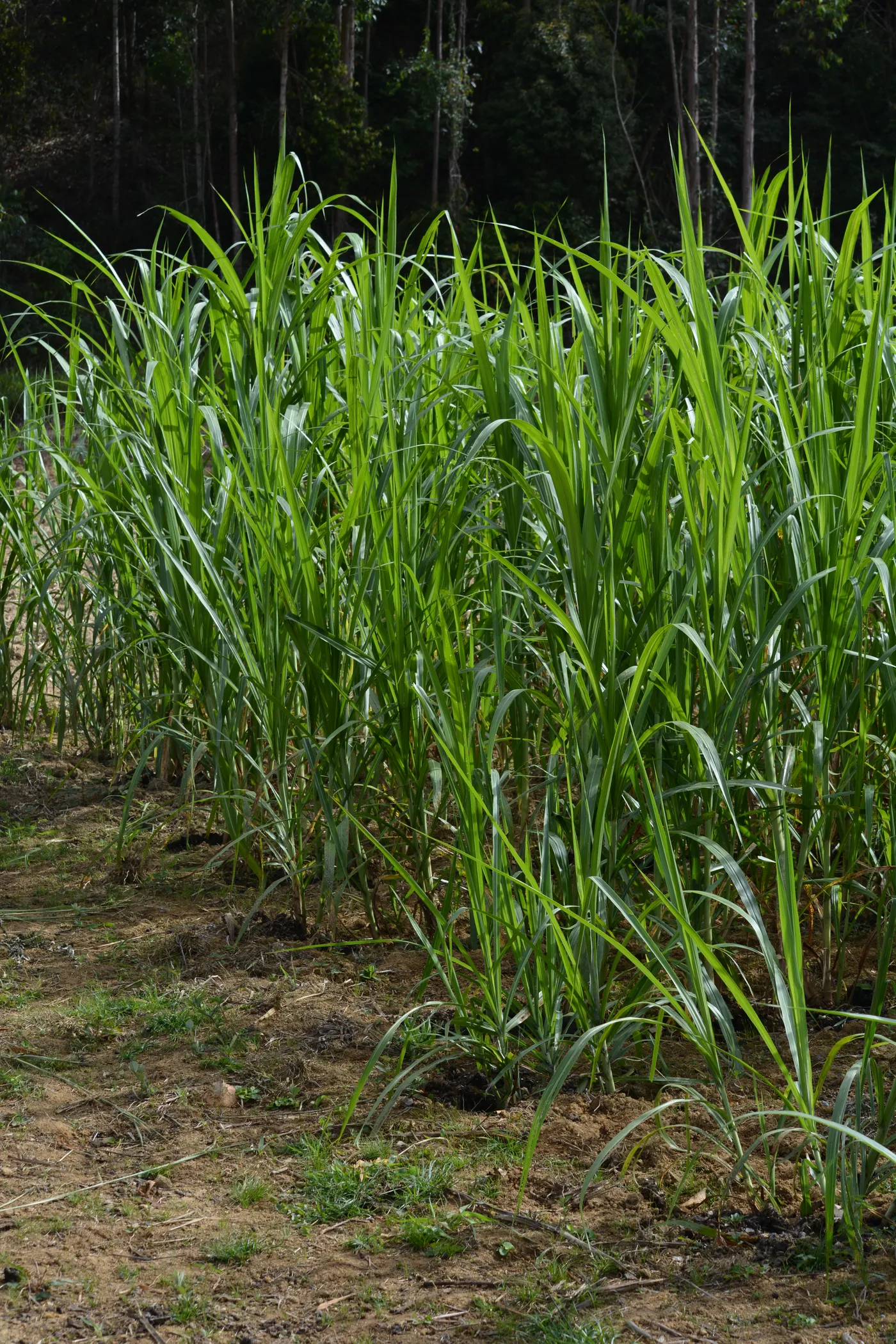
Established on December 18, 1984, this is Embrapa's dedicated national center for agricultural sensors, optics, and scientific instruments. Operates with 83 full-time staff members, including 33 PhD research scientists (Embrapa data), specializing in soil/crop nanotech, computer vision, and bio-materials.
Essential research partner for hardware, IoT, and optical agritech ventures.
Embrapa Cattle Southeast
National benchmark center for beef and dairy livestock research. Features a team of 43 PhD researchers, 42 analysts, and technical specialists running experimental farms, livestock genomics, pasture management, integrated crop-livestock-forestry systems, and space agriculture projects under the New Space Economy.
Primary field data provider powering digital herd management, animal health telemetry, and environmental traceability software.
Onovolab: Open Innovation Hub
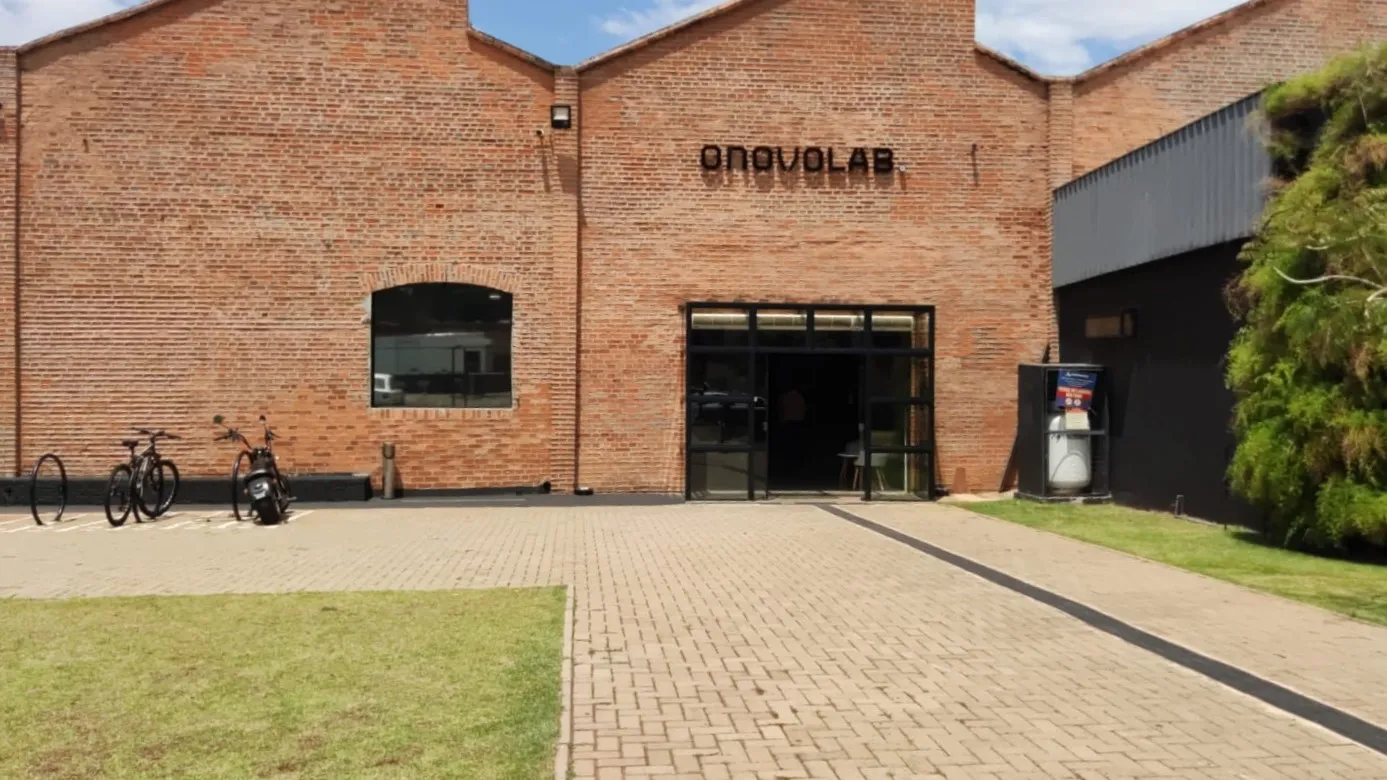
Founded in 2018 in São Carlos, Onovolab operates as an open innovation hub connecting corporations, startups, and university researchers. Hosting over 170 tech enterprises across physical and digital membership programs (360 News report), it provides corporate innovation immersion programs, hackathons, and community space where regional ecosystem events take place.
Highest PhD Density per Capita in Brazil — Why It Matters for Deeptech
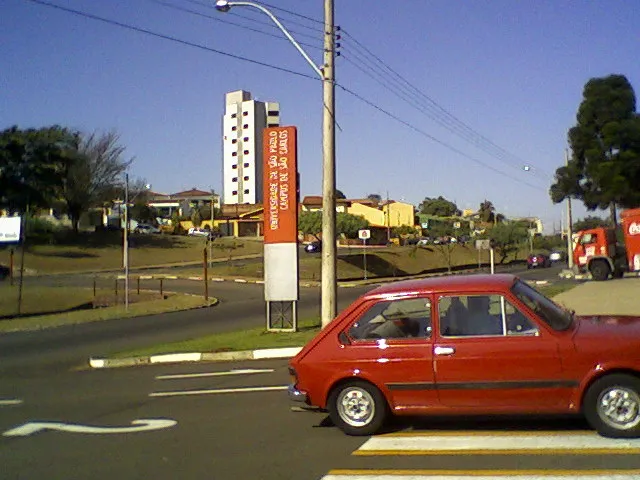
Municipal and FAPESP research data confirms São Carlos hosts over 2,500 PhD doctorate holders — representing a ratio of 1 PhD for every 100 residents. This scientific density is nearly 10 times the Brazilian national average, placing São Carlos alongside global research clusters like Cambridge, Heidelberg, and Oxford.
Why is this decisive for tech founders? Frontier scientific knowledge is the core ingredient of deeptech. High PhD density means access to academic advisors converting lab research into commercial spin-offs, specialized laboratories for physical prototyping, non-dilutive grant review committees, and corporate R&D partners willing to fund validation.
This explains why leading Brazilian ventures in optical sensors, biotechnology, applied AI, and advanced materials choose São Carlos for engineering and research headquarters.
UNICEP: Practical Industry-Focused Private Higher Education
Central Paulista University Center (UNICEP) complements the regional ecosystem through career-focused private higher education. Its technology faculty offers degrees in Information Systems, Computer Engineering, Civil Engineering, Electrical Engineering, Production Engineering, and Mechanical Engineering — serving as an essential talent supplier for regional tech firms.
IFSP São Carlos: Federal Institute Combining Technical & Applied Degrees
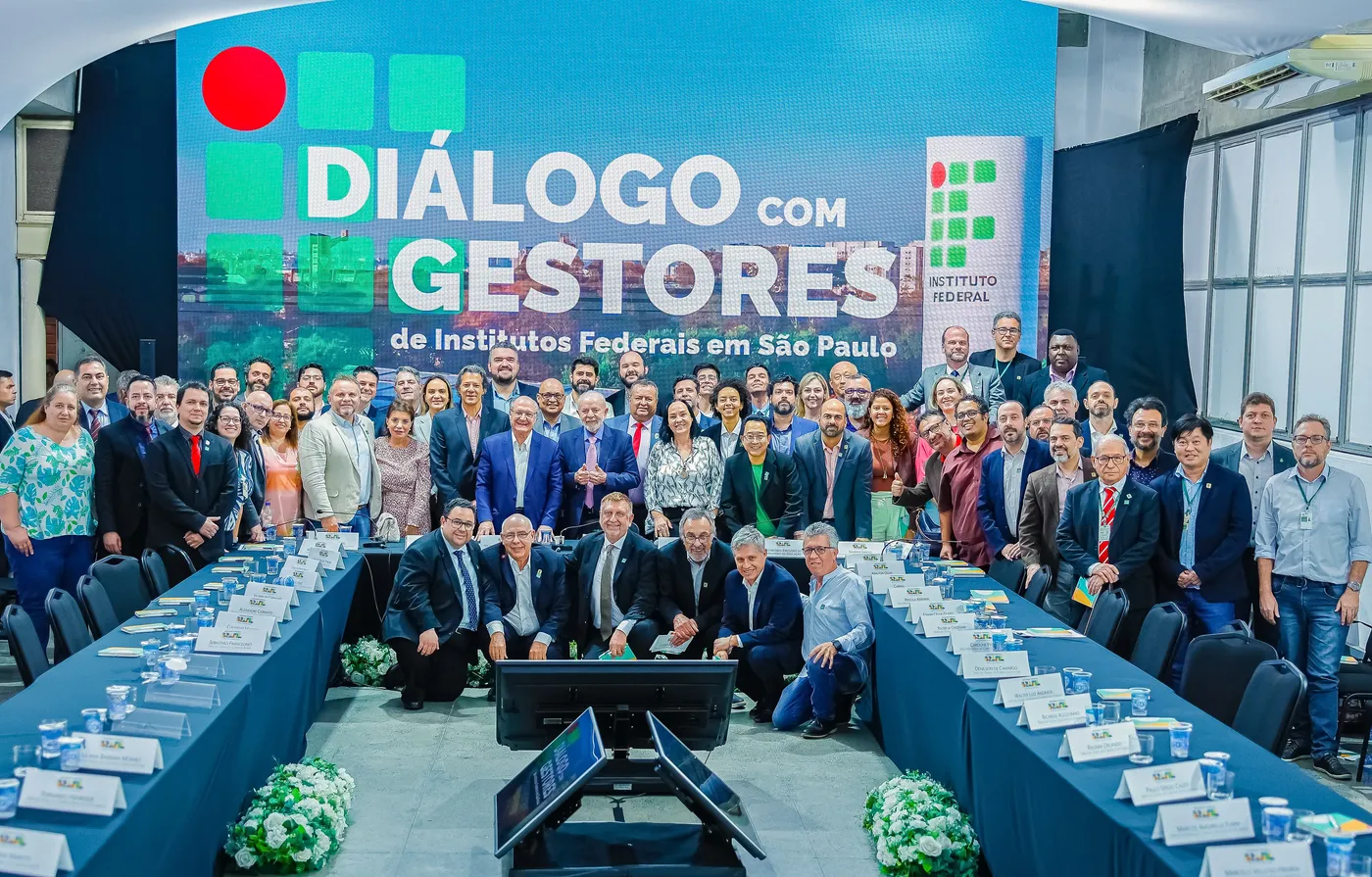
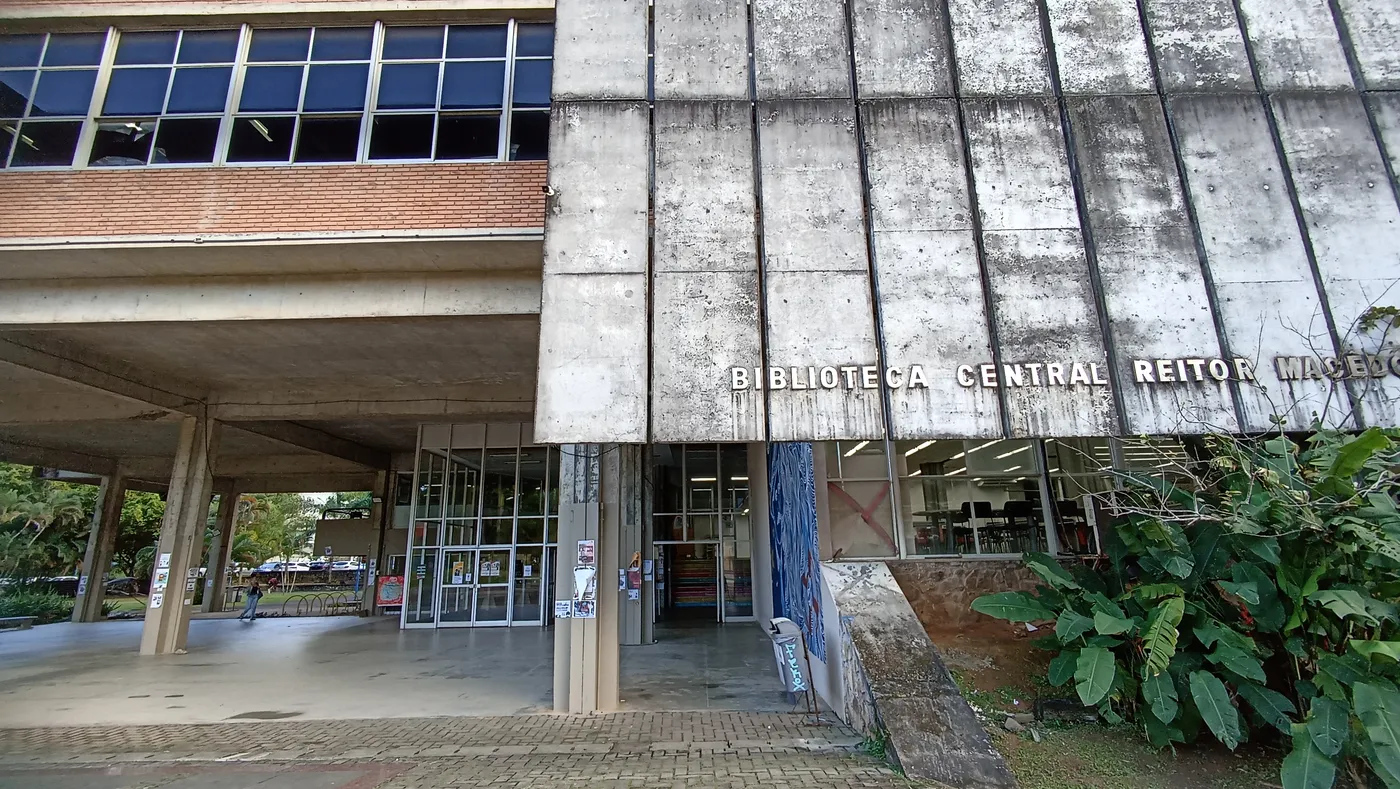
Authorized by MEC Ordinance No. 1,008 (Oct 29, 2007), the Federal Institute of São Paulo (IFSP) — São Carlos Campus launched with Systems Analysis & Development (ADS). Today it delivers tuition-free technical high school programs, associate degrees, and technology engineering degrees in Mechatronics, Mechanical Engineering, Electronics, and Software Engineering.
Senac São Carlos: Rapid Market-Aligned Technology Training
Senac São Carlos provides technical certificates and professional specializations focused on immediate job placement. Technology tracks include Web Programming, Mobile Development, Data Analytics, UX/UI Design, Digital Marketing, Cybersecurity, and Database Administration.
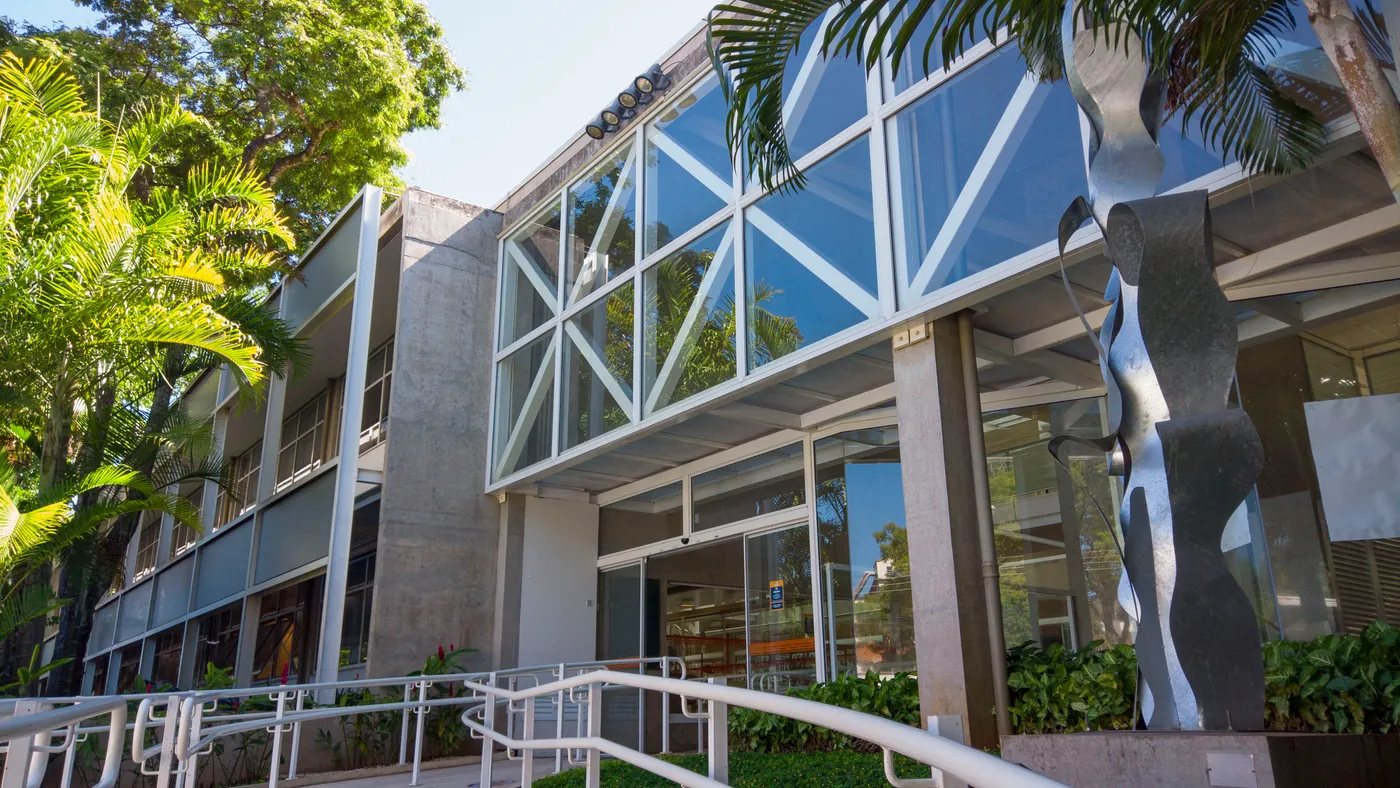
SENAI São Carlos: Industrial Automation & Hardware Incubator
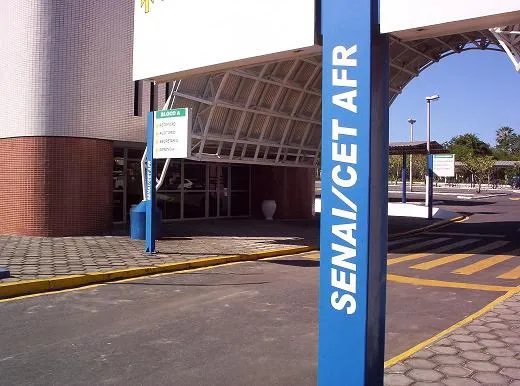
SENAI São Carlos serves as the regional reference center for industrial education: technical programs in Mechatronics, Industrial Automation, Electronics, Precision Mechanics, and Systems Development supporting Industry 4.0 manufacturing.
Beyond vocational education, SENAI operates a dedicated industrial hardware incubator providing prototype machining, electronics testing, and product certification facilities for hardware startups.
Sebrae São Carlos & Startup Day: The Ecosystem's Support Backbone
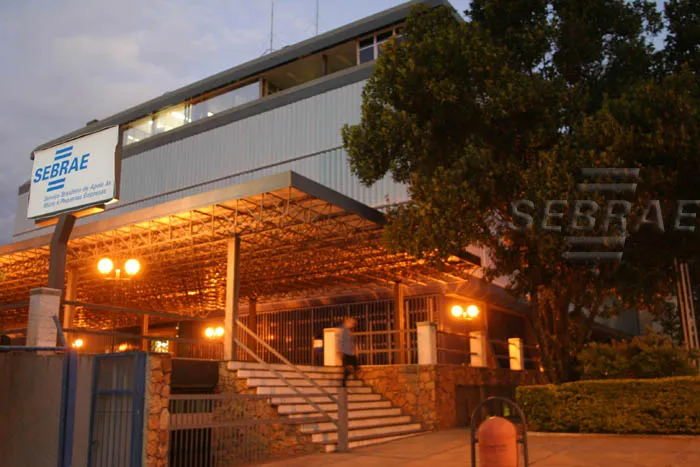
Sebrae-SP Regional São Carlos delivers business counseling, growth programs (ALI, Empretec, Sebraetec), and ecosystem coordination linking university research with commercial markets.
Its flagship annual event, Startup Day (co-organized with ParqTec, USP, UFSCar, and Embrapa), serves as the city's premier stage for startup pitch competitions, investor networking, and commercial dealmaking.
Enterprise Corporate Tech Anchors: Serasa Experian & Industrial Giants
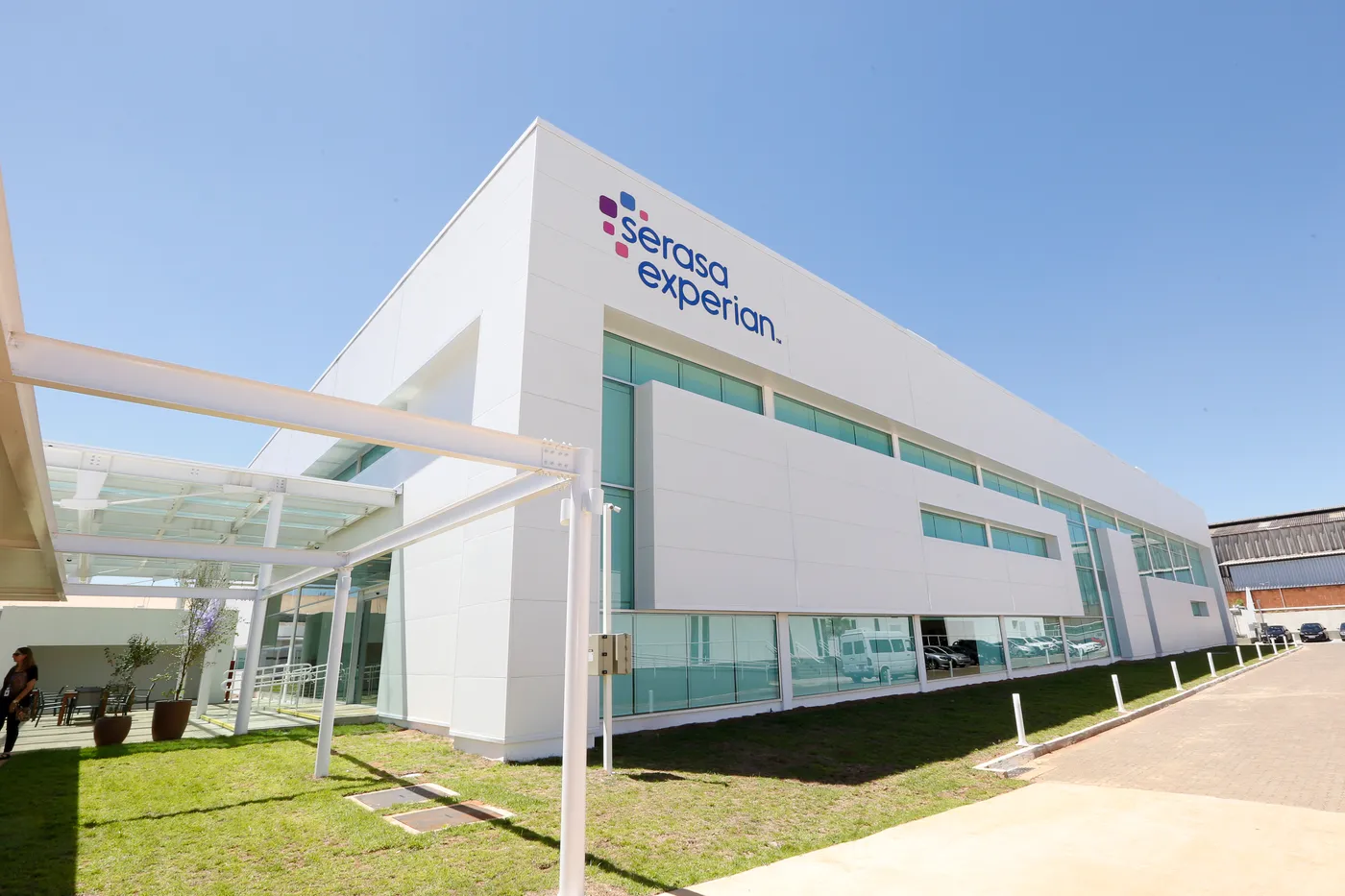
São Carlos hosts major technological operations for global corporations. Serasa Experian operates one of its largest software engineering, data science, and AI innovation centers in Latin America within the city.
In parallel, global industrial manufacturers such as Volkswagen Trucks & Buses, Faber-Castell, Tecumseh, and Electrolux maintain significant manufacturing and engineering centers locally. This corporate density retains senior engineering talent locally, combining high quality of life with deep technology career paths.
High School STEM & University Extension: Early Technology Pipeline
Technology education in São Carlos starts well before university enrollment. Local public and private high schools participate in university extension programs led by USP, UFSCar, and IFSP — offering robotics clubs, coding workshops, science olympiads, and junior scientific research grants.
Targeted initiatives promoting coding for young women help address tech gender gaps early, creating an integrated pipeline where public high school students graduate with real programming experience and scientific literacy.
The Virtuous Flywheel: How Science Transforms into Startups
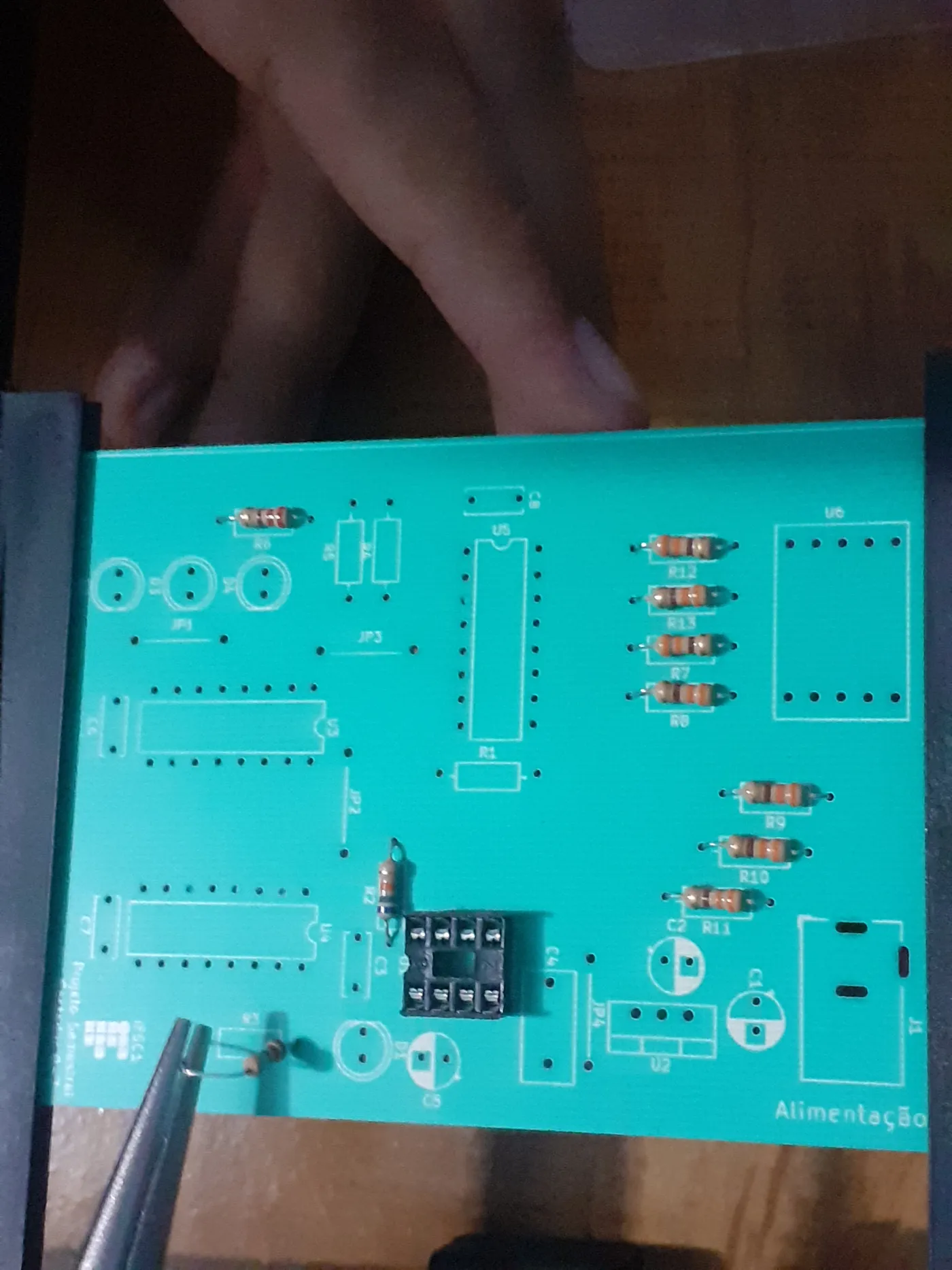
Universities generate scientific breakthroughs. Breakthroughs become applied research. Applied research partners with local industry. Industry validates commercial prototypes. Prototypes mature into deeptech startups. Startups connect with incubators, angel investors, mentors, and corporate clients — all located within a 15-minute drive of one another.
This represents the virtuous innovation flywheel that only a select few technology hubs globally achieve. São Carlos locked this flywheel decades before mainstream awareness of startup ecosystems. That is why when searching for "Brazil's Capital of Technology", the answer is backed by geography and data.
Experience São Carlos in Person
Reading about an ecosystem is one thing — experiencing it firsthand is another. While Shinier does not offer organized tourism packages as a commercial service, we welcome international founders, investors, and corporate teams as local hosts — connecting visitors with ecosystem leaders at ParqTec, USP, UFSCar, Embrapa, Onovolab, and corporate anchors. If you are exploring R&D facilities, opening a startup, or setting up engineering operations, connect with us via WhatsApp to build a tailored visiting agenda.
Welcome to Brazil's Capital of Technology.