No-Code
Ex: Glide.app
Ideal para protótipos rápidos e apps simples baseados em planilhas. Zero programação necessária.
Custos Glide.app:
- • Gratuito: até 10 usuários
- • Basic: $25/mês
- • Pro: $99/mês
- • Business: $249/mês
RápidoLimitado

Learn how to build your Minimum Viable Product (MVP) strategically, validating your idea with the lowest possible investment before scaling. Complete guide with real-world examples from Dropbox, Airbnb and Zappos.
If you want to learn how to create an MVP step by step in 2026, you are in the right place. The MVP (Minimum Viable Product) is the simplified version of a product that contains only the essential features to solve a specific user pain point.
Before even researching how much it costs to develop an app or projecting future returns with our SaaS startup valuation calculator, understanding the MVP cycle prevents spending resources on solutions without proven demand.
The main goal of an MVP is to test the viability of an idea with the minimum possible resources, allowing you to validate hypotheses before a full launch. With a well-structured MVP, companies and startups can understand user behavior, collect valuable feedback, and iterate improvements based on real data — not assumptions.
The concept was popularized by Eric Ries in the book "The Lean Startup", which introduced an agile approach based on the continuous cycle of Build – Measure – Learn. In 2026, with no-code, low-code tools and artificial intelligence, creating an MVP has become more accessible than ever — but the fundamental principles remain the same.
Discover why the world's most successful startups began with an MVP before scaling
Avoids large upfront investments in unvalidated products, minimizing financial losses.
Tests solution acceptance with real users, ensuring there is genuine market demand.
Focuses on essential features, significantly accelerating time-to-market.
Enables rapid testing and improvement cycles based on real user feedback.
A validated MVP demonstrates traction and significantly increases your chances of raising capital.

According to CB Insights data, 42% of startups fail because there is no market need for their product. The MVP exists precisely to avoid this fatal mistake. Instead of spending months or years developing a complete product based on assumptions, you validate your hypothesis quickly.
Companies like Dropbox and Zappos started with extremely simple MVPs and are now worth billions. The difference is not in the initial technology, but in the ability to learn rapidly from the market.
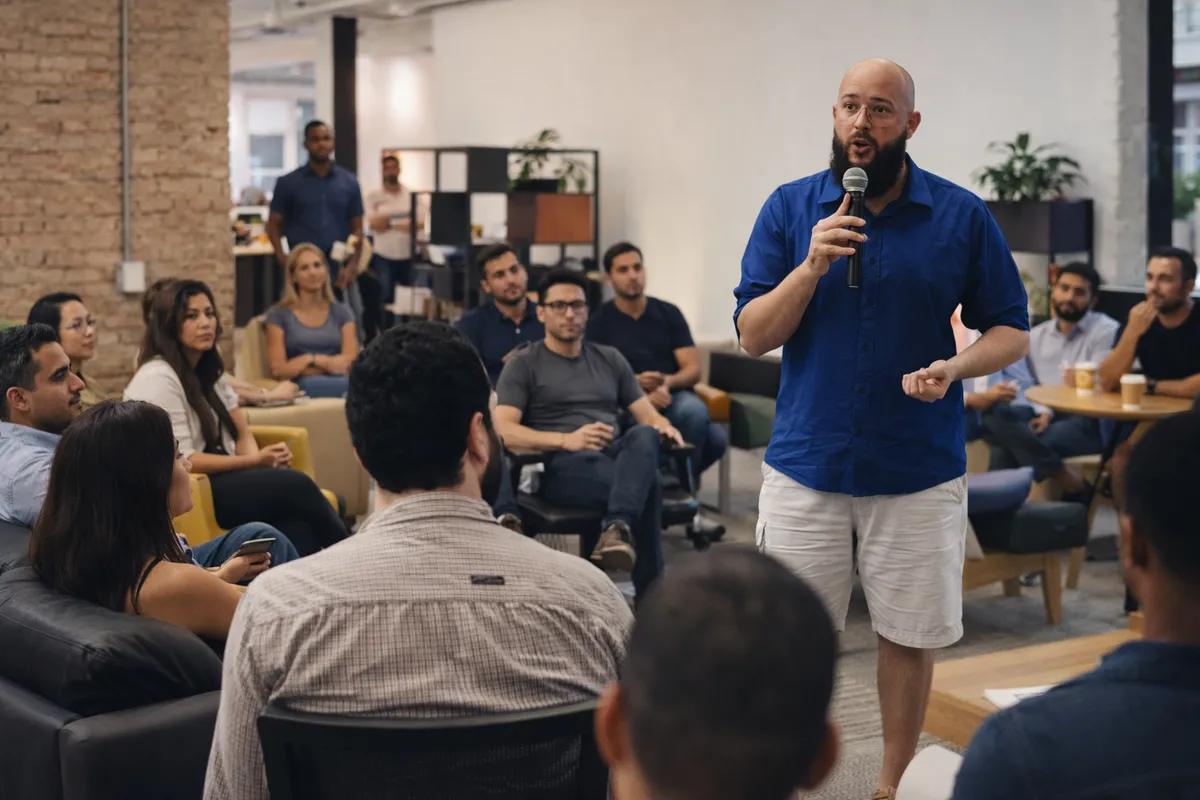
The Build – Measure – Learn cycle from Lean Startup is the heart of MVP development. With each iteration, you collect real data about user behavior, discover what works, and what needs to change.
In 2026, with advanced analytics tools and AI for behavior analysis, this validation has become even more precise. You can identify usage patterns, friction points, and improvement opportunities in real time.
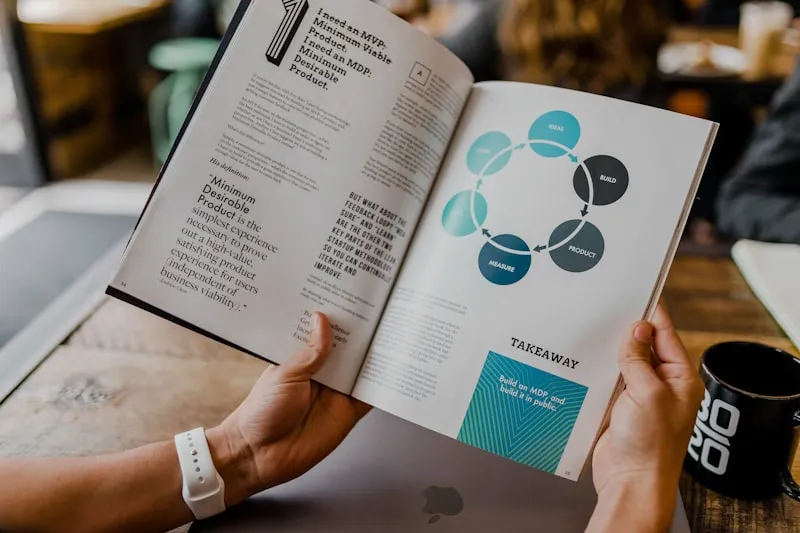
Investors don't just want ideas — they want evidence that the idea works. An MVP with engagement, retention, and conversion metrics is far more convincing than a beautiful pitch deck.
When you show that real users are using your product, paying for it, or actively engaging, you reduce the investor's perceived risk and significantly increase your chances of raising capital.
Follow this practical guide to develop your Minimum Viable Product in a structured way, from problem identification to continuous iteration.
The first and most crucial step is to clearly understand what problem your product solves and who it was designed for. Without this clarity, you risk building something nobody wants.
Before investing time and resources, it is essential to research the market and evaluate similar products. Understanding the competition helps identify gaps and unique opportunities.
This is the time to be ruthless with scope. Define what are the minimum features that make your product usable and solve the core problem.
Development can follow different approaches depending on your context: Concierge MVP, Wizard of Oz, or basic functional MVP.
After the initial launch, it is essential to test the MVP with real users and collect feedback through multiple communication channels.
Building an MVP is not a linear process, but a cyclical one. Each version should bring refinements based on real data.
Shinier has helped dozens of startups validate their ideas and build scalable MVPs. Talk to our team and discover how we can accelerate your project.
Talk to our team
MVPs can be classified into different types depending on the level of fidelity to the final product. Choosing the right type can save months of development.
Focus on idea validation with minimal technical development. Ideal for testing hypotheses before investing in code.
Tests market interest before building anything, using landing pages, demo videos, or pre-launch campaigns.
Example: Dropbox validated the idea with an explainer video before writing a single line of code.
The company manually delivers the service that will eventually be automated, providing a real customer experience.
Example: Zappos started by buying shoes from local stores and manually shipping them to customers.
Already include features closer to the final product. Require more investment but deliver a more complete experience.
Uses existing services and technologies to simulate the final product, integrating available tools.
Example: Marketplace using off-the-shelf e-commerce platforms like Shopify.
The customer thinks they are interacting with an automated system, but the processes are handled manually behind the scenes.
Example: Early ride-hailing apps manually called taxi stands while developing the automated app.
Validates demand through pre-sales on crowdfunding platforms, securing revenue before development.
Example: Pebble Smartwatch raised $10 million on Kickstarter before it even existed.
The world's largest tech companies started with extremely simple MVPs. Learn from their stories.
Drew Houston created a 3-minute video demonstrating how Dropbox would work. The video went viral on Hacker News and the waitlist grew from 5,000 to 75,000 people overnight.
Type: Smoke Test
The founders rented air mattresses in their own apartment during a conference. They validated that people would pay to sleep at strangers' homes.
Type: Concierge MVP
Nick Swinmurn photographed shoes at local stores and posted them online. When someone bought, he went to the store, purchased the shoe, and shipped it. Validated demand without inventory.
Type: Concierge MVP
It started as Burbn, a check-in app. The founders noticed the only feature people used was the photo filters. They pivoted to Instagram.
Type: Functional MVP with Pivot
Born as a side project inside Odeo (a podcast company). The first version was so simple it only allowed 140-character texts due to SMS limitations.
Type: Basic Functional MVP
Raised $10.3 million on Kickstarter in 2012 — at the time, the largest crowdfunding campaign in history. Validated massive demand before producing a single unit.
Type: Crowdfunding as MVP
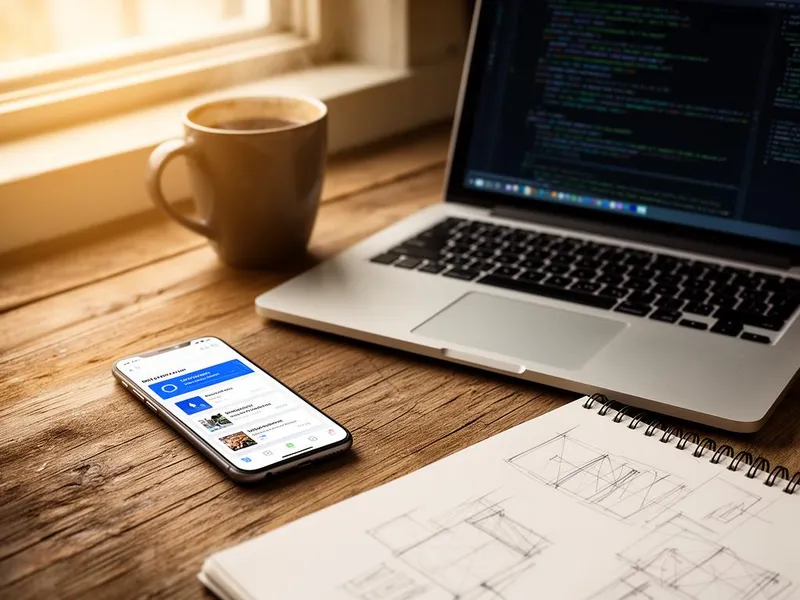
Many entrepreneurs confuse these three concepts, but each has a specific purpose in the product development process. Understanding the difference is crucial to choosing the right approach for your startup's stage.
| Concept | Objective | When to Use |
|---|---|---|
| Prototype | Non-functional visual representation | To test design and UX before development |
| PoC (Proof of Concept) | Validate technical feasibility | When there is doubt whether the technology works |
| MVP | Minimum functional product for market validation | To test with real users and collect feedback |
It's not enough to launch the MVP — you need to measure results to make informed decisions. These are the fundamental metrics every MVP should track.
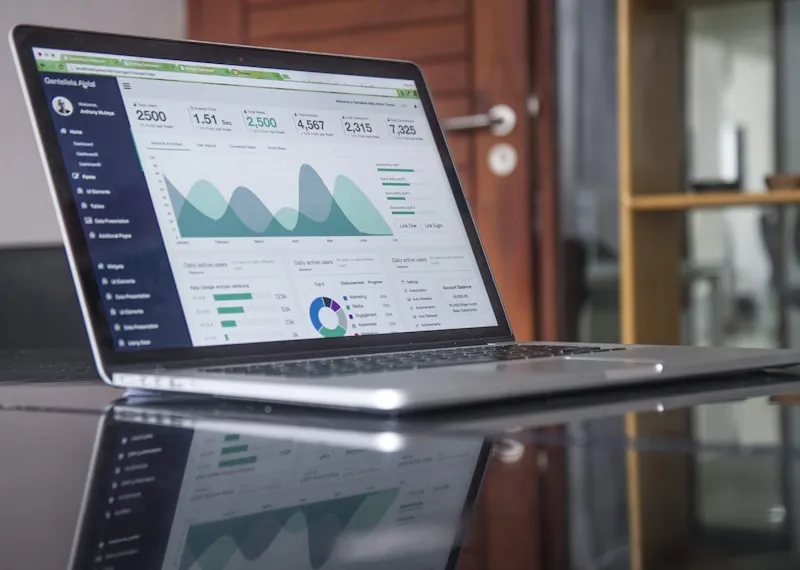
% of visitors who become users
How much it costs to bring each new user
% of users who continue using the product
Satisfaction and likelihood to recommend
% of users who abandon the product
Total value generated per user
How long users spend in the product
Daily/monthly active users
How many new users each one brings
Even with the best intentions, many startups make avoidable mistakes when developing their MVPs. Learn from others' mistakes.
Adding too many features out of fear of launching something "incomplete." Airbnb literally started with photos of mattresses in an apartment.
Collecting feedback but not acting on it. Instagram pivoted completely from a check-in app to photos based on usage data.
Launching the MVP and expecting it to "work on its own." The Build-Measure-Learn cycle needs to be continuous, not a one-time event.
Investing in complex architecture before validating the idea. Use tools that allow fast iteration — scalability comes later.
Trying to please everyone results in pleasing no one. Focus on a specific niche before expanding.
Focusing on impressive but irrelevant numbers (downloads, page views) instead of real engagement and retention metrics.
Ao criar seu MVP, você pode considerar ferramentas que aceleram o desenvolvimento. Mas será que substituem o desenvolvimento profissional?
Ex: Glide.app
Ideal para protótipos rápidos e apps simples baseados em planilhas. Zero programação necessária.
Custos Glide.app:
Ex: WordPress
Flexibilidade com plugins e temas, mas customizações avançadas exigem código PHP/CSS.
Custos envolvidos:
Ex: Lovable.dev
IA que gera código real a partir de prompts. Resultado profissional com velocidade impressionante.
Custos Lovable.dev:
Embora essas ferramentas sejam excelentes para validar ideias e criar protótipos, para lançar um produto profissional no mercado, quase sempre é necessário um programador ou especialista.
🔄 O problema do "remendo"
Trocar de desenvolvedor ou ficar "remendando" com diferentes freelancers acaba saindo 2-3x mais caro do que fazer certo desde o início.
🏗️ Erros de arquitetura
Quando o dono começa e depois contrata um dev para finalizar, os erros de arquitetura e decisões erradas do início geram retrabalho e encarecem a manutenção.
💡 A verdade contraintuitiva:
Pode parecer que não, mas nessas ferramentas quanto maior a senioridade do profissional, mais rápido e mais barato sai o projeto. Um sênior evita armadilhas, toma decisões corretas de arquitetura e entrega em menos tempo.

Shinier specializes in developing structured MVPs designed for adaptation and future scalability, ensuring your technology can evolve without losing essential data or accumulating technical debt.
We leverage our API Core, a modular infrastructure that already includes user management (multitenancy), payment integrations, cloud services (AWS, GCP), and other common features — drastically reducing development time.
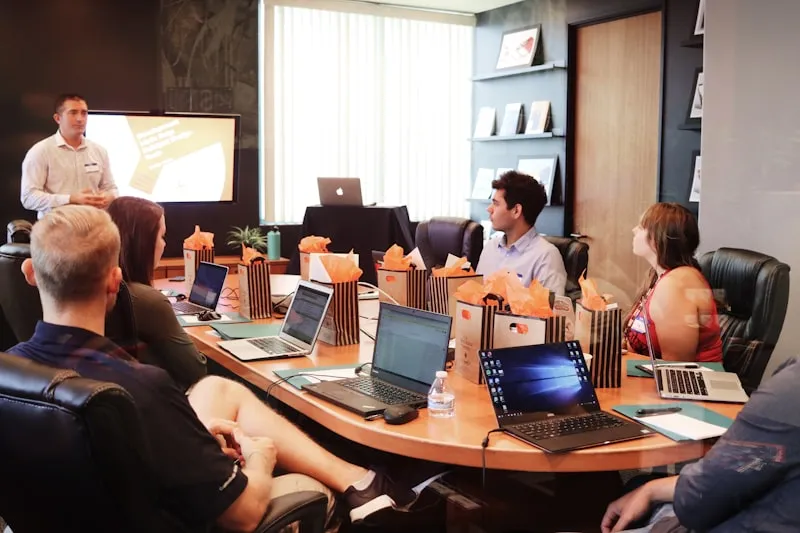
Beyond technology, we have strategic partnerships with experts in Artificial Intelligence, innovation, and agile development, as well as a network of researchers from USP and UFSCar universities.
RIES, Eric. The Lean Startup. Crown Business, 2011. The book that popularized the MVP concept and Lean Startup methodology.
BLANK, Steve. The Four Steps to the Epiphany. K&S Ranch, 2013. A fundamental guide on Customer Development and startup validation.
OSTERWALDER, Alexander; PIGNEUR, Yves. Business Model Generation. Wiley, 2010. The reference for developing innovative business models.
COOPER, Brant; VLASKOVITS, Patrick. The Lean Entrepreneur. Wiley, 2013. How to apply Lean principles to building startups.
Shinier offers a unique co-investment model for promising startups. Complete our qualification and schedule a meeting directly with our CEO to discuss your project.
Understand the difference between PoC and MVP and when to use each one.
Learn about APIs and how they are essential for modern MVPs.
Complete cost guide for software and MVP development.